

You really can’t blame the British. In the mid-18th century, their empire encompassed much of the dry land of earth, and their navy was the most formidable show of force on the ocean. That’s why the phrase, “the sun never sets on the British Empire” rang with such force. Who could blame the for wanting to keep the crown jewel of their possessions, the American colonies, in line.
However, they had been careless. Over the course of most of the 1700s, they engaged in a policy of “salutary neglect” or “let sleeping dogs lie” as a way to give British Americans as much power within the British system as possible to build substantial assets and grow the power of the Empire, making the east coast of North America second only to the island itself in importance and prestige.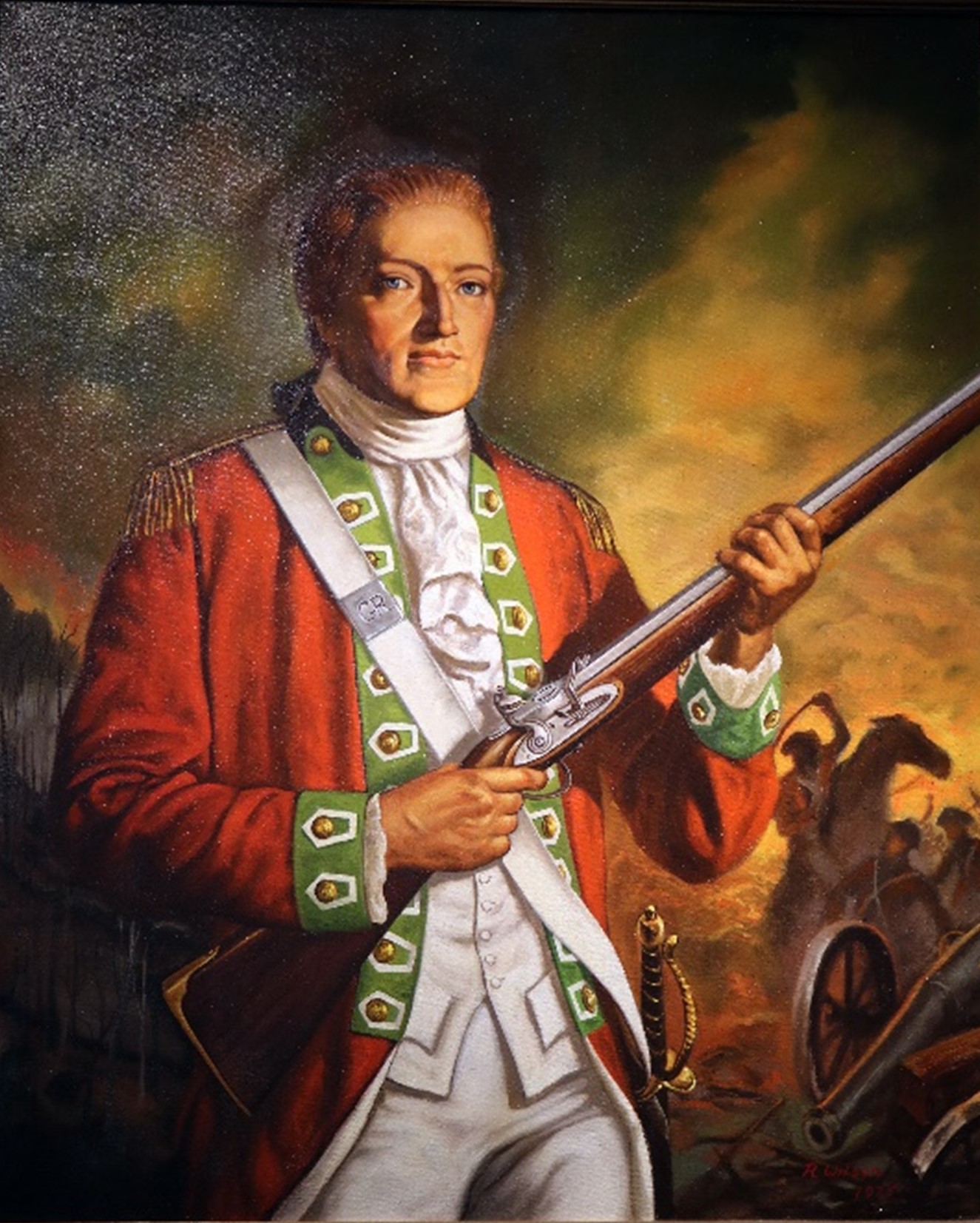
American colonists saw the game differently. If they were so vital to England’s efforts as a worldwide power, why not leave the band for a solo career. When the new monarch, King George III beginning to take a more controlling interest, local leaders squirmed under the scrutiny. Time for a change had come.
For four years, the British military focused its might on the most rebellious colonies, Massachusetts, New York, and Pennsylvania, leaving the South alone. They chased Washington but could not run him down. He knew how to run away to fight another day. So the fateful decision was made to turn to the southern colonies. Religiously speaking, most were Anglicans, which showed an allegiance to the Crown, by way of the state supported church. Round up those loyalists, hone them into a fighting army and sweep north with a growing fighting force that could not be denied and this whole idea of rebellion would be quashed well before the Brits return to Boston.
One slight problem. In their dealings with the Americans, the British had always been haughty. They could not hide their own feelings of superiority, kind of like when the Spanish took over the majority of the Western Hemisphere, a century earlier. By 1780, at least a third of the colonists were fed up with the high-handedness dealt out by the King’s men and were ready to test their will against the mother country.
The “southern strategy” to sweep north with loyalist support went famously well (as the overconfident British knew it would) with victories in Savannah, Charleston (after a siege), Camden, and the Waxhaws. So well did the campaign go that Sir Henry Clinton offloaded the job of bringing the colonies in line. He handed command over to Charles Cornwallis, who was sure enough of victory to split his army into several pieces, which turned out to be a grave mistake.
While Cornwallis swatted the hornet’s nest in Charlotte, his subordinate, Major Patrick Ferguson exercised independent command to raise an army of loyal subjects (including those too scared of the Brits to oppose them) and move North. Ferguson was an up and comer in the British Army. A Scot by birth, he developed an improvement to a breech-loading rifle during the French and Indian War. During the Revolution, he was wounded, recovered and served as the only British officer at the Battle of Kings Mountain.
Next week, how that experience ended his life.
Photo: Major Patrick Ferguson. An able soldier, the hopes of ending the American Revolution fell to him in the fall of 1780.