
As the 1920s dawned in America, Kansas “physician” Dr. John R. Brinkley believed he had stumbled upon a formula allowing old men to feel young again. It didn’t take long for him to extend the service to women, too. He transplanted the glands of a goat into humans with the goal of giving them renewed sexual interest. Soon, Brinkley, who grew up in western NC, was known as the Goat Gland Doctor.
The practice was experimental and not sanctioned by organizations like the American Medical Association (AMA). They argued that the only thing Brinkley was doing was giving false hope, as well as a possible infection to patients from the operation. The well-trained medical establishment agreed, and tried to label the doctor a quack. However, Brinkley was raking in the dough from word of mouth about his procedure.
 The AMA tried to shut him down but with licensure so lax in some states, they failed to stop him. Dr. Brinkley’s practice might have remained confined to eastern Kansas had it not been for the new technology of radio. On a trip to California to operate on some wealthy older men including a few Hollywood stars, Brinkley witnessed the power of mass communication. He went back to Kansas and built radio station, KFKB, “the sunshine station in the middle of the nation.” Supposedly, the call letters stood for “Kansas First, Kansas Best,” or alternately, “Kansas Folks Know Best.”
Three times a day, Dr. Brinkley got on the air and hawked his treatments, which were supposed to cure everything from impotency to cancer. He even began prescribing drugs to folks writing in, and within a year there were a lot of them. His show, ‘The Medical Question Box’ angered the AMA because diagnoses were made without a personal examination.
By the end of the 1920’s, KFKB was the most popular station across the country. At night, when AM radio waves went farther, it covered coast to coast and folks eager for hope tuned in to cure their maladies. Brinkley even made money on inquiries, reminding listeners to send two dollars ($37 now) for a response. The doctor hired a legion of assistants to help handle the correspondence.
1930 should have been a banner year for Dr. Brinkley. His hospital in Milford, Kansas thrived with new clients for his goat gland surgery arriving every week. He coded the prescriptions he issued over the air so only authorized pharmacies could sell them (he got a cut) and his radio station boosted its power to reach more prospective patients. Unfortunately, the AMA was on his trail. That year they convinced the state of Kansas to revoke his license and petitioned the Federal Radio Commission (forerunner of the FCC) to deny a renewal of his radio license. Brinkley lost both.
You might think the doctor had come to the end of his practice. Not this Tarheel boy. Instead, a comeback plan amplified his voice louder than ever, sparking an interest in something else vital to North Carolina: country music. Next week, how it all turned out.
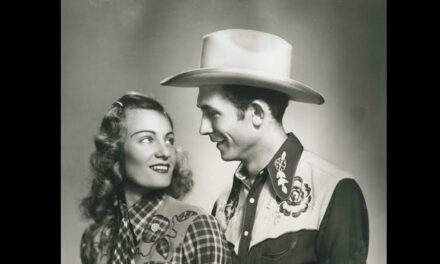
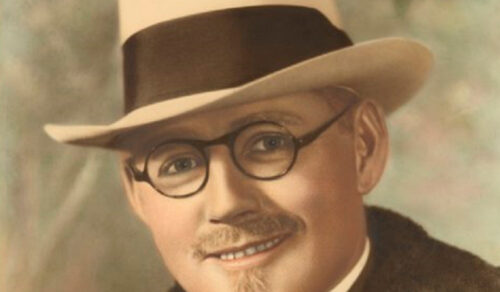
Photo: One hundred years ago, the nation’s most famous doctor. NC native, Dr. John R. Brinkley (Image courtesy Kansas State Historical Society)