
This year has been great for study of the American Revolution. What with the 250th coming this July, an emphasis of just how we gained our independence serves as a reminder of the twists and turns the process took to actually happen. It’s easy to attribute everything to the founding document, The Declaration of Independence, yet trouble was brewing a long time before the signers had a document to endorse.
In North Carolina, the conflict goes back a good ten years earlier. As with most states on the eastern seaboard, our state was largely settled first on the coast, then inward. The western portion was the backcountry, sparsely inhabited by only the most hardy of pioneers. Law and taxation came from down east. However, the central and western end of the colony was developing and with it came calls for more equitable treatment. The eastern end thought things were going just fine and didn’t need reform.
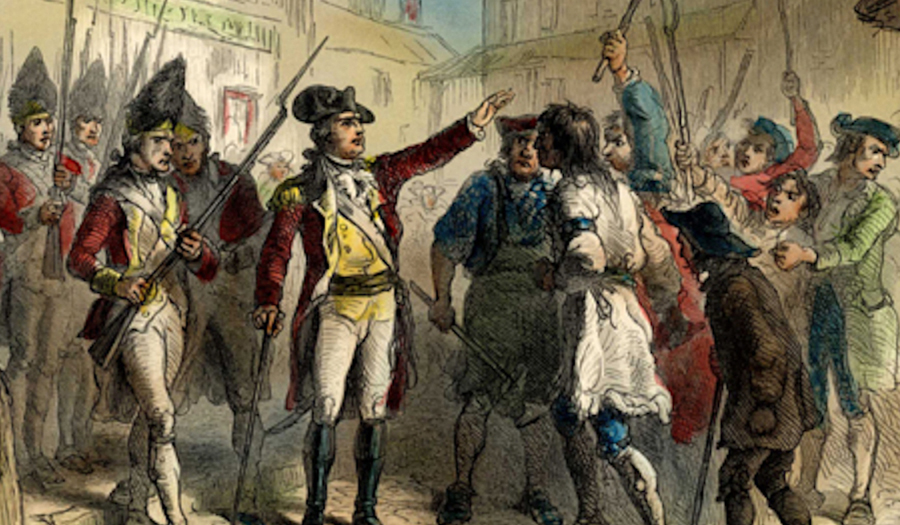
Photo: Tryon’s temporary victory in NC over the Regulators in 1771.
The royal governor, William Tryon was building his palace in New Bern during the mid to late 1760s, a symbol of the opulence enjoyed by British leadership, which was wholly out of touch with folks in the backcountry. Several bad harvests (drought) had caused hard times for farmers in the west. When they couldn’t pay the taxes on their land, they were hauled into court with some losing all their property.
Tryon was indifferent to their plight, so a band of farmers decided to create their own rules, sweeping out courts they viewed as corrupt. They were known as the Regulators, as in they were regulating their jurisdiction, in defiance of the out-of-touch easterners. Naturally, Governor Tryon frowned upon the move and told the Regulators to desist. Instead, they took over the courthouse in Hillsborough (near present day Chapel Hill), vandalizing the colonial court, beating some opponents and basically wresting the colony away from established control.
The conflict came to a head in Alamance County (near Burlington) when Tryon’s men met the Regulators on May 16, 1771. Though the British governor’s men were outnumbered two to one, they were much better equipped and repelled the farmer militia easily. After the battle, the Regulators were forced to sign oaths of loyalty to the British government. They got off easy. Some of the ringleaders were tried and executed for treason. The battlefield is today a state historic site with occasional reenactments and regularly staffed guides who interpret the conflict for visitors.
Looking back on this mini-war, the Regulator movement serves as a precursor to the American Revolution. Long before the Continental Congress got tired of British rule, North Carolinians were fed up with the arrogance of colonial governors. It wasn’t long after Tryon put down the rebellion in NC, he was promoted to governor of New York. But in the turmoil of the time, one event would follow another against royal rule. Less than four years after defeat of the Regulators, anger would again swell. The next time, opponents were known by a different name: Patriots.