
Patriot or Tory? The question of loyalty to the British was a fairly open one in North Carolina at the start of the American Revolution. It was really a three-way race with as many folks on the fence as on either side. The ‘undecideds’ waited to see how this thing might go before declaring where their loyalties really lie.
On the British side, North Carolina’s royal governor, Josiah Martin sought to consolidate support with efforts to recruit troops for the “mother country.” He backed efforts to sign up subjects of Scot background, along with those Regulators who had been brought back into the fold. Several Tory leaders mustered troops near modern-day Fayetteville, marching toward Wilmington to help the governor.
On hearing this news, Patriot leader Richard Caswell pulled together his own little army for the cause of independence in early 1776, well before any declaration from Philadelphia. He stood ready to block a Tory army heading his way. On the morning of February 27, a group of former Scottish Highlanders, still loyal to King George attacked at a place known as Moore’s Creek Bridge. After some reconnaissance, Loyalist forces thought they were attacking a Patriot band just west of the bridge. However, in the night Caswell had pulled his men back across the bridge, pulling up the cross planks and waxing the runners with beeswax.
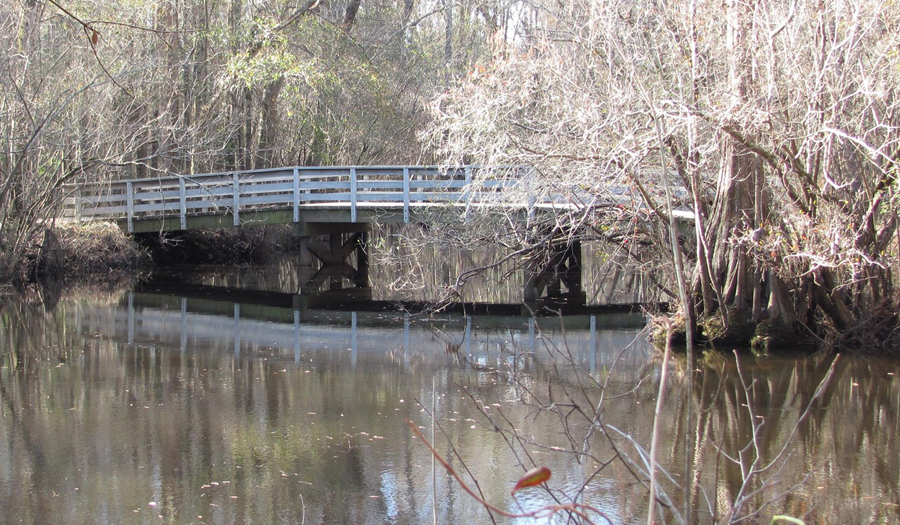
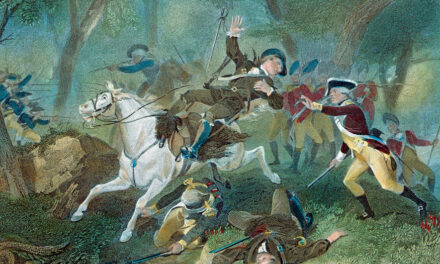
Photo: The Battle of Moore’s Creek Bridge, an early Patriot victory, had great influence on the rest of the war.
After an opening volley from the Patriots withered the oncoming Tories, the remaining attackers tried to cross the boobytrapped bridge. They instead fell into the water. The outcome was rather lopsided. Only one Patriot was killed and another wounded, while some fifty Loyalists were casualties. On the retreat, Caswell’s men captured another 850 Tories and confiscated over 1500 muskets, along with taking possession of $15,000 in Spanish gold (which roughly equates to a half million in 2026 currency).
News of the outcome spread fast. Many of those fence-sitters were emboldened. They admired the resourcefulness of the victors and began to call themselves Patriots in the aftermath of the battle as a reevaluation took place. The uncommitted realized that an independence movement could actually be successful, if thoughtfully executed.
The Battle of Moore’s Creek Bridge is unique to the American Revolution, or to any war for that matter. Even though each side was roughly equal with about a thousand troops engaging each other, it was the ingenuity of the Patriots that won the day. Today, the site is easily accessible from Interstate 40, just a few miles before you get to Wilmington.
During the six years of conflict, the American Revolution took a lot of unlikely twists and turns. At its beginning, few would have bet on the Patriot cause. However, events like those at Moore’s Creek Bridge demonstrate the value of a good cause and out-of-the-box thinking.