

The NBA season reached Week Two this week and I have already seen that “load management” is already taking place.
My first thought is why do players already feel the need to take games off to rest? We are only in the second week of the season. I read an interview with Chicago Bulls and NBA legend Michael Jordan and he criticized the idea of load management, saying the practice “shouldn’t be needed.”
It should be noted that the term and practice of load management was not a thing when Jordan played. He spoke of never wanting to miss a game because it was an opportunity to prove himself to fans. Jordan also spoke of feeling like the fans came to watch him play. He added that every fan in the arena worked and spent money to attend games and that he could not let them down. Jordan spoke of having a duty to play and entertain fans.
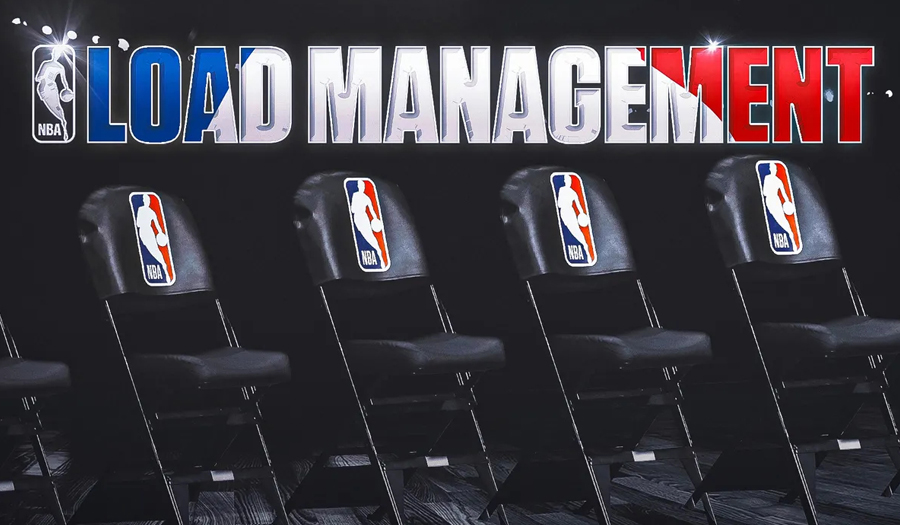
The NBA legend was careful not to call out specific players by name when discussing the issue of load management. The practice, in which players will occasionally miss games or not play in back-to-back games due to rest, has clearly become common-place in recent seasons.
A number of NBA stars have engaged in the tactic, including LeBron James, Luka Dončić and Kawhi Leonard. It reached a point where the NBA had to step in and introduce new rules to prevent teams from resting players as frequently.
Despite not playing in the modern game, Jordan is more than qualified to talk about the issue. I looked it up. He rarely missed games. During his first eight seasons in the NBA, Jordan played in fewer than 78 games in just one season, and that one season he broke his foot.
Jordan was limited to just 17 games in 1995-96, when he returned at the end of the regular season following his first retirement. In his final five seasons in the NBA — including the two that came with the Washington Wizards after his second retirement — Jordan played in all 82 games four times.
The NBA clearly has a problem on its hands. It seemed like virtually every game last season was affected by load management. Having stars sit out affects the quality of play. When that happens, fans stop showing up and television viewers find something else to watch.